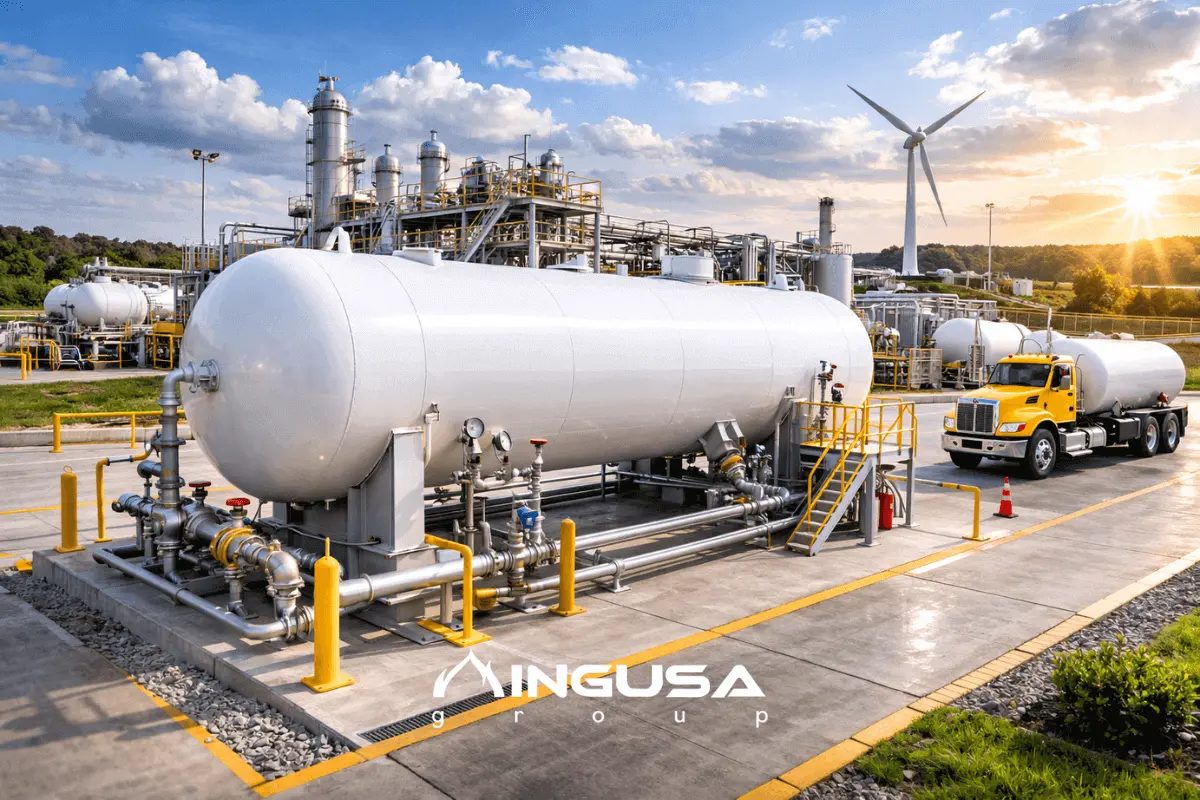
When planning CAPEX for storage, buyers must weigh initial purchase price against maintenance, downtime, and compliance costs over a tank’s life. This short, fact-checked guide highlights the key factors that determine true lifecycle cost for bulk propane vessels.
Upfront Cost vs. Long-Term Liability
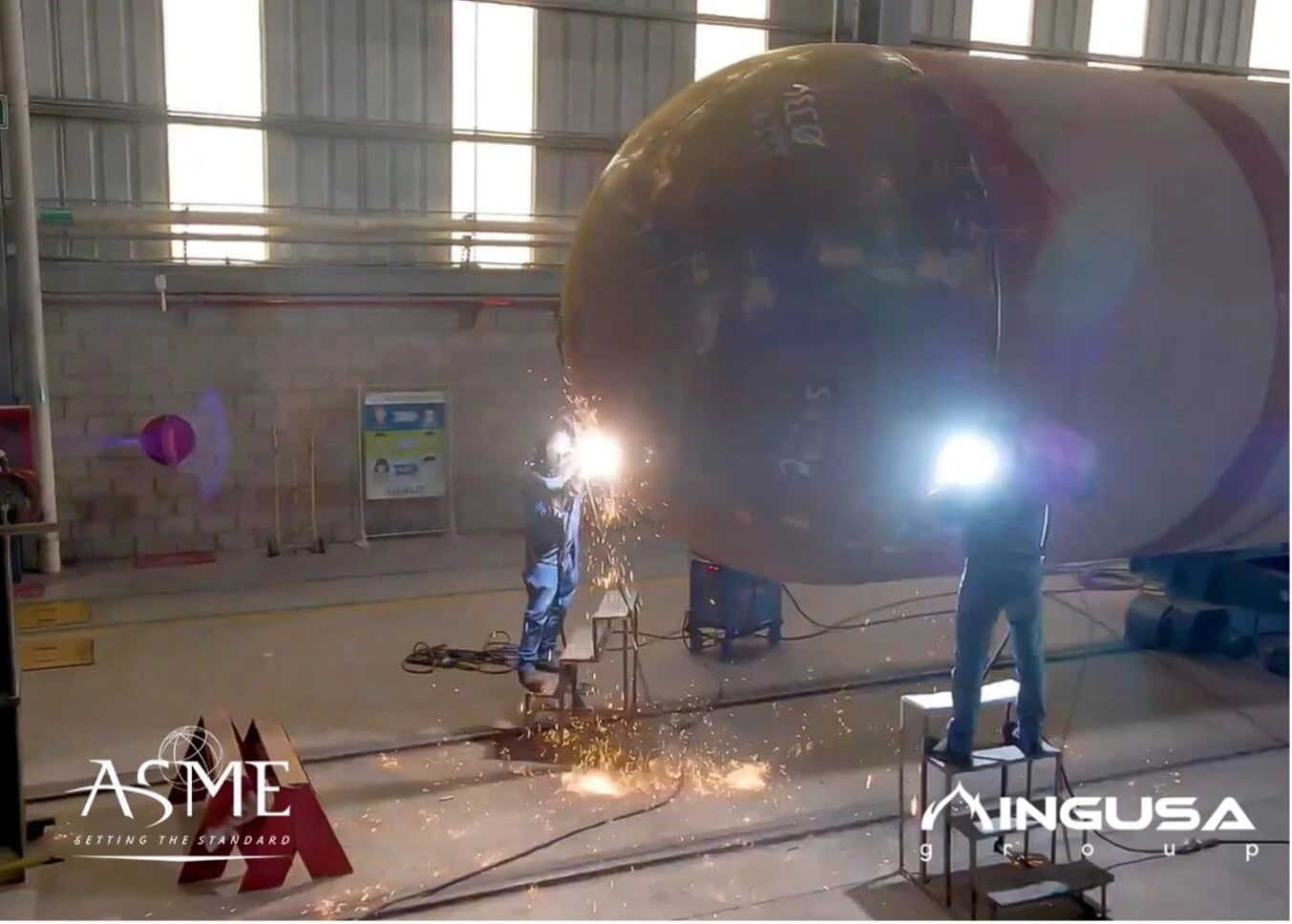
New ASME-stamped tanks carry higher initial outlay but include factory test data, U1A reports and full warranties—important for permitting and insurer acceptance. Refurbished tanks can reduce initial CAPEX but require careful verification of repair records, thickness measurements, and updated certification.
Maintenance, Coatings & Corrosion Protection
Lifecycle cost is driven by corrosion control (coatings, cathodic protection for buried tanks) and scheduled PRV/relief-device servicing. Proper protective systems materially extend service life and lower total cost per gallon stored.
Compliance & Permitting Time
New tanks with complete ASME Section VIII fabrication packages and U1A reports accelerate state registration and reduce regulatory risk. Refurbished tanks often require re-inspection and sometimes additional documentation—factor potential permitting delays into project schedules.
Compare total cost of ownership (purchase + installation + maintenance + permit time + downtime) rather than price alone. Collect U1A reports, thickness tests, coating specs and freight/rigging quotes before finalizing procurement to ensure apples-to-apples evaluation.