
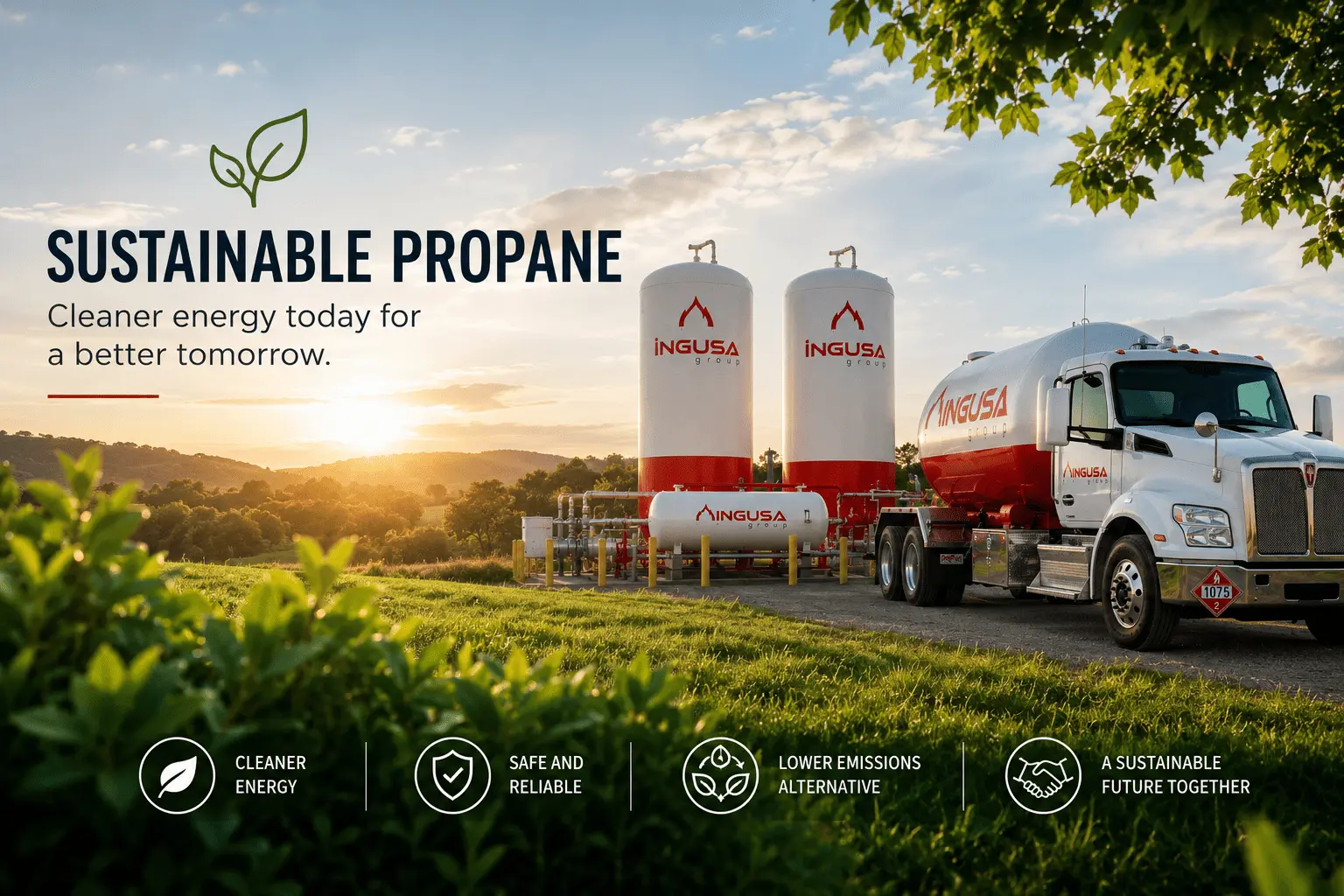
Propane is recognized by the U.S. Environmental Protection Agency as an alternative fuel, and sustainability in this space is increasingly about using the fuel more efficiently and responsibly. For distributors and industrial buyers, that means looking beyond product alone and thinking about infrastructure, logistics, and long-term energy performance.
**Renewable Propane: A Drop-In Sustainability Option
**
Renewable propane is made from non-petroleum feedstocks such as natural fats, vegetable oils, and various types of grease. The U.S. Department of Energy’s Alternative Fuels Data Center says it is chemically identical to conventional propane and can be used as a drop-in replacement in all propane applications.
Efficiency Supports Sustainability
Sustainability is also about reducing wasted energy. EPA explains that combined heat and power (CHP) systems typically achieve total system efficiencies of 60% to 80%, which is significantly higher than conventional separate heat and power systems. That makes propane a strong option for businesses that want reliable energy with better efficiency.
Storage and Distribution Matter Too
Propane is produced as a byproduct of natural gas processing and crude oil refining, and it moves through pipelines, rail, barges, trucks, and tankers before reaching customers. A more efficient storage and delivery network can help distributors support cleaner, more reliable operations.
For propane distributors, sustainability is not only about the fuel itself. It is also about choosing the right infrastructure to support efficiency, resilience, and future growth. That is where Ingusa Group can help.